For drivers
Not replacing drivers. Backing them up.
Nobody knows a truck like the person who drives it every day. The Canary takes what drivers notice, adds what the engine knows, and makes sure neither gets ignored.
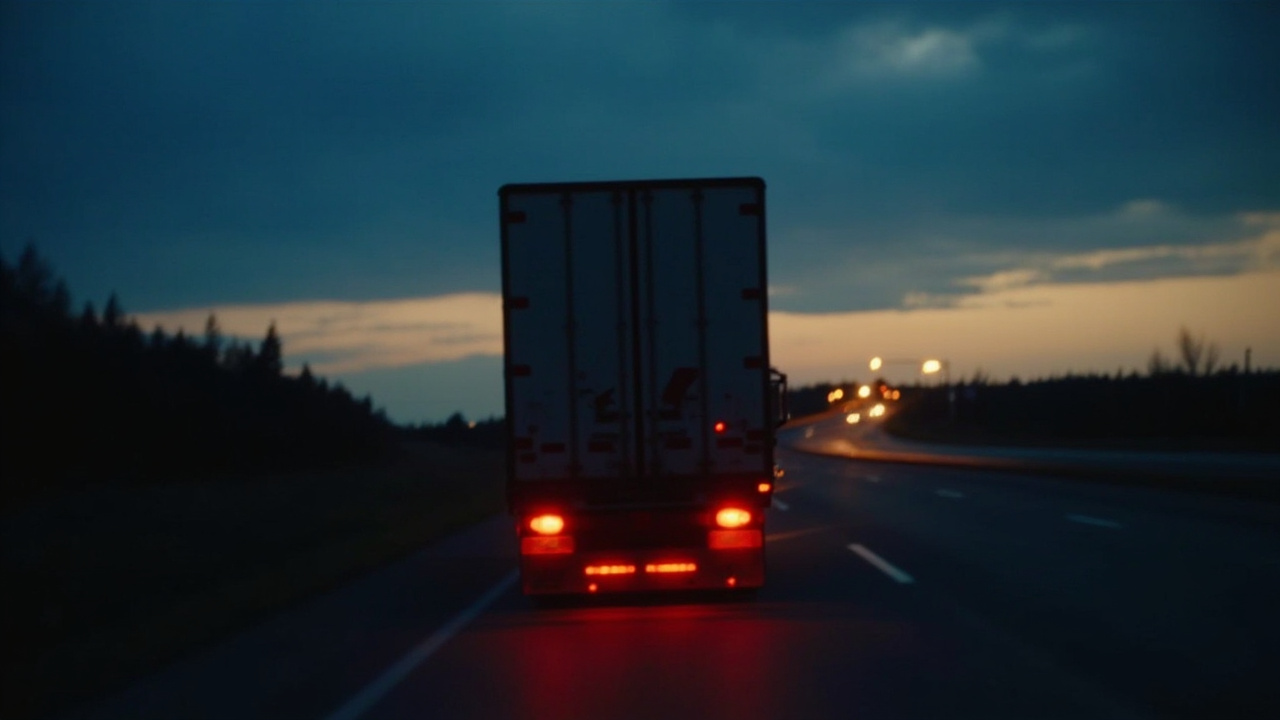
"Brakes feel soft coming down the pass. Not bad, just different."
"Air pressure recovery is slower than your baseline. You're safe to continue at reduced grade speed. I've asked dispatch to schedule a brake inspection at tonight's stop."
Just say it
No tickets, no typing, no codes to remember. Drivers talk to the Canary hands-free, fully DOT-compliant, in any of 12-plus languages, and it takes zero training to use. Mention what feels off, get a straight answer about what it means and what happens next.
A driver's word finally counts for something
"It feels sluggish on the grades" used to be an opinion a shop could shrug off. Now it's matched against live engine data on the spot and arrives in dispatch as a diagnosis. When a driver calls it early, the record shows it.
The same goes for coaching. Braking, idling, and efficiency conversations happen on shared data the driver can see too, so they're fair, specific, and short.
Watching the road, and the person on it
Fatigue plays a part in 13 to 15 percent of heavy-truck collisions. The Canary flags drowsiness and distraction signals before they become an incident, and suggests a break instead of filing a report. Road intelligence works the same way: black ice and severe weather warnings arrive miles before the truck does.
The end of 2 AM shoulder time
Every breakdown the Canary catches early is a night a driver doesn't spend stranded on the shoulder waiting for a tow, a load that delivers on time, and a paycheck that doesn't take the hit. The whole point of predicting failure is that the driver never meets it.
See what your drivers would see
The demo includes the in-cab experience, not just the dispatch side.